
Copenhagen’s Botanical Garden: A Hidden Green Oasis
Just a few minutes from Nørreport Station, you’ll find one of Copenhagen’s most magical and peaceful escapes: Copenhagen’s Botanical Garden (Botanisk Have). It feels like stepping into another world. The city noise fades away, replaced by the rustling of leaves, the scent of blooming flowers, and the gentle warmth of tropical greenhouses. It is a place where you can breathe, explore, and reconnect with nature.
Spread across ten hectares of winding paths, tranquil lakes, and home to more than 13,000 plant species. This lush urban retreat is much more than just a park. It’s a living snapshot of the world’s plant life, a haven of peace, and one of the city’s true hidden treasures.
One of Copenhagen’s most iconic landmarks: the magnificent Palm House. Yet the Botanical Garden is much more than a collection of plants. It is a place where history, architecture, science, and nature meet in the middle of the city. It’s a living museum, a center for scientific research and a perfect spot to experience a slice of everyday Danish hygge.
Whether you’re a botany enthusiast, a traveler with a camera or simply someone looking to catch your breath between sightseeing spots. The Botanical Garden is a stop that shouldn’t be missed.
GET HERE
The garden is just a stone’s throw (short walk to the main entrance) from Nørreport Station (exact location is Øster Farimagsgade 2C), making it easily accessible by metro (M1, M2, M3 and M4), S-trains, regional trains, bus routes and bicycle via Copenhagen’s extensive cycling network.
☞ Be aware that parts of the historic Palm House are undergoing restoration. The central glass dome and its iconic spiral staircase were closed for renovation from May 2025 and were expected to reopen during 2026. During the works, the rest of the Palm House complex, the Butterfly House, the outdoor gardens, and the Natural History Museum remained open.
In 2026, large parts of the greenhouse complex had already reopened, while work continued on the central dome area.
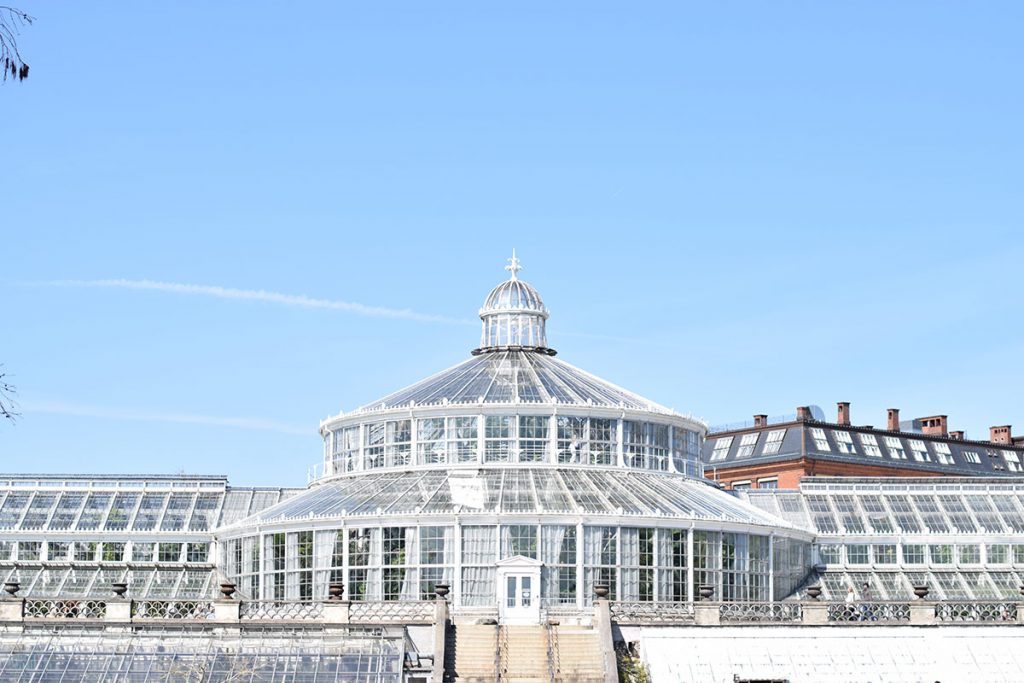
More Than 400 Years of History
The garden moved several times before settling here in the 1870s. Since then, it has been operated by the University of Copenhagen and continues to serve a dual purpose: welcoming the public while supporting critical botanical research and plant conservation. It also houses Denmark’s only gene bank for wild plants.
The present garden layout and many of its historic glasshouses date back to 1874, giving the entire space a distinctly Victorian character. It was designed to be both educational and meditative, with each section carefully planned to display different ecosystems, species groups, and natural landscapes. It’s a place where history, science, and natural beauty coexist in perfect harmony.
Today, it serves both as a peaceful public park and as part of the University of Copenhagen’s scientific collections, preserving rare plant species and supporting botanical research.
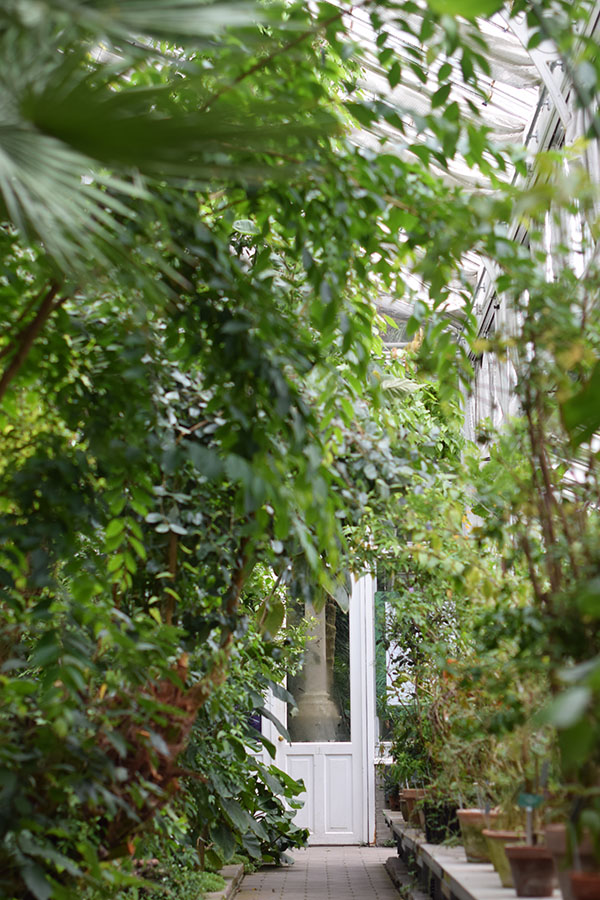
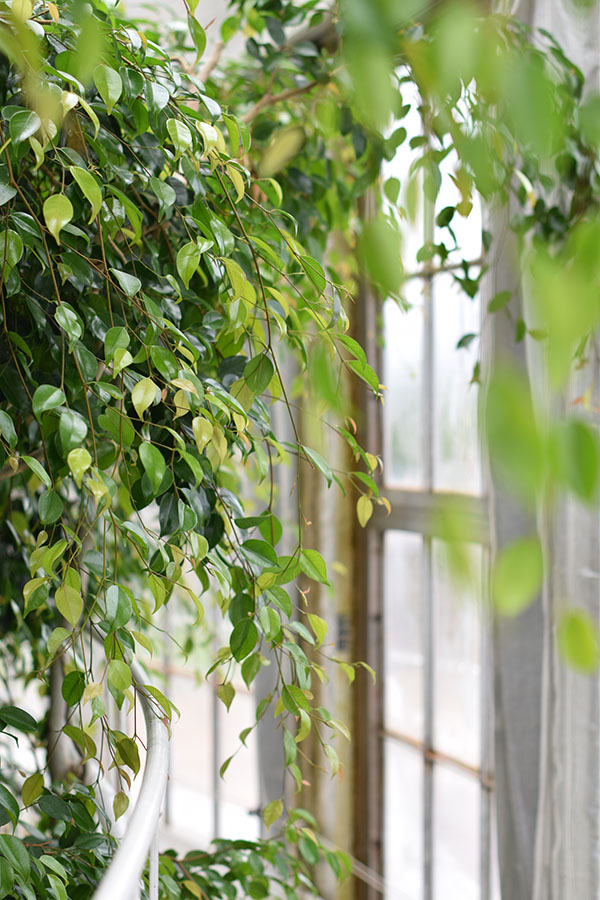
A beautiful greenhouse, the Iconic Palm House
If there is one reason to visit the Botanical Garden, it is the Palm House, it is a world of tropical flora.
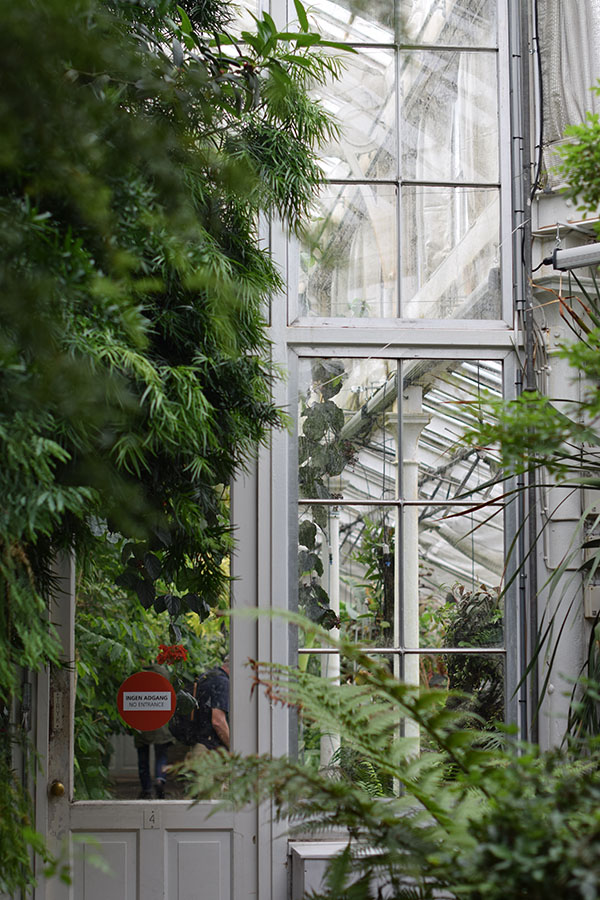
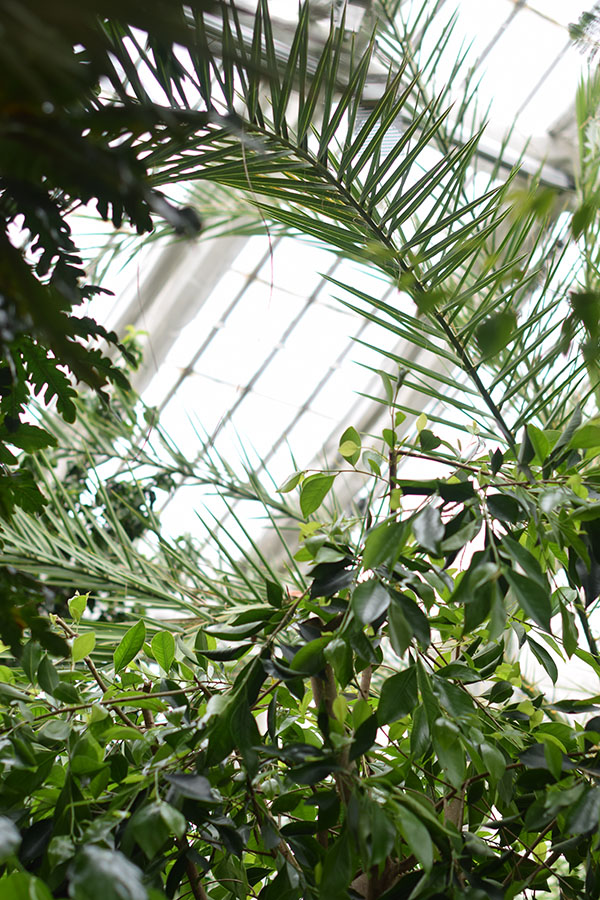
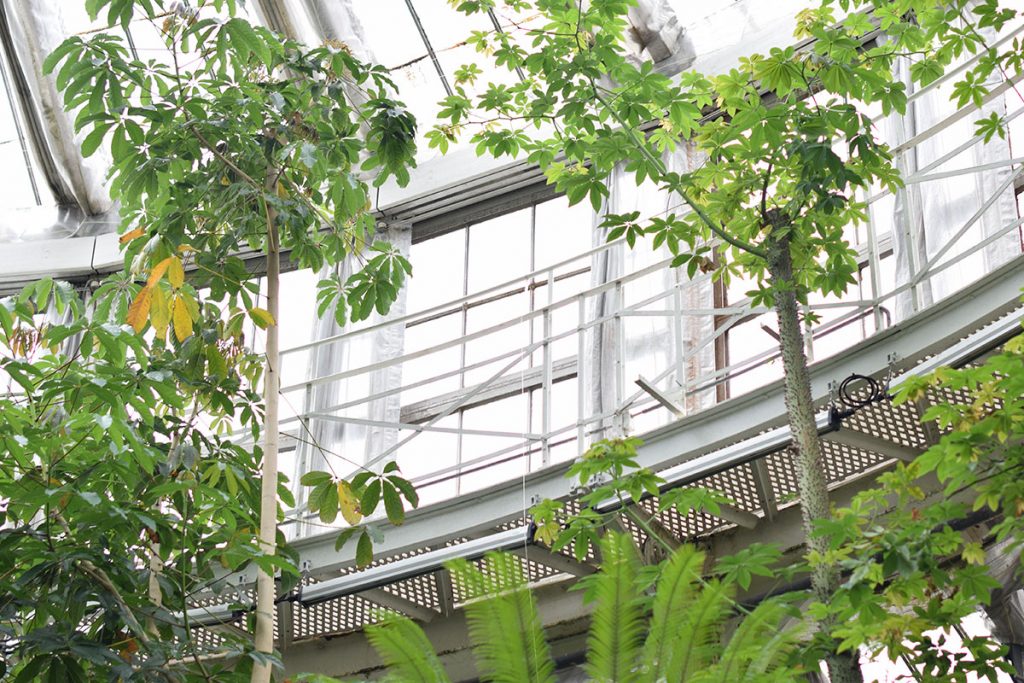
It is a towering Victorian-era greenhouse built in 1874 and inspired by London’s Crystal Palace. This grand structure is a masterpiece of iron and glass architecture. The moment you step inside, Copenhagen disappears. You’re enveloped by dense, humid air (your glasses might fog up) and a jungle of towering palms stretch toward the ceiling, tropical vines weave, and other exotic species through the greenhouse.
The Palm House contains several climate zones, including tropical environments and a special Arctic greenhouse showcasing plants adapted to some of the world’s harshest conditions.
Feeling creative? I noticed that people brought notepad and colored pencils to sketch the flowers and foliage during my last visit. I think that is a beautiful way to record your visit.
DON’T MISS
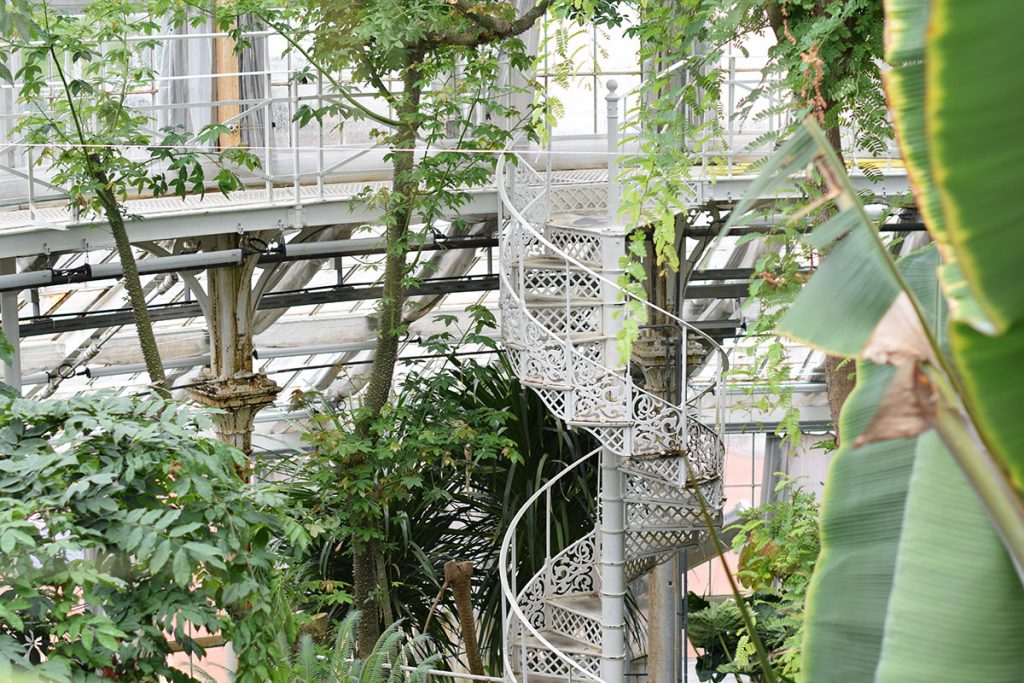
Arguably the highlight of the entire Botanical Garden is found inside the historic Palm House. This towering glasshouse not only offers a tropical escape with its soaring palms and dense foliage. It also hides a narrow, 16 meters high, white cast-iron spiral staircase that winds up to a treetop walkway.
☞ The staircase offers one of the most photogenic viewpoints in the entire garden. Thanks to the dramatic contrast between the crisp white staircase and the lush greenery surrounding it. Especially when the sun filters through the foggy glass dome.
Climbing the staircase feels like entering a Victorian adventure novel. Almost dreamlike atmosphere. As you rise above the palm canopy, you’ll be treated to a panoramic view of the rainforest-like interior. Enjoy a unique perspective across the greenhouse and its intricate glass roof.
☞ If you’re afraid of heights, the staircase might feel a bit intimidating. It’s narrow, old, and a little wobbly. But if you’re up for it, it’s absolutely worth it.
☞ If your main goal is to climb the famous cast-iron staircase, check the latest restoration updates before visiting.
Beyond the Palm House
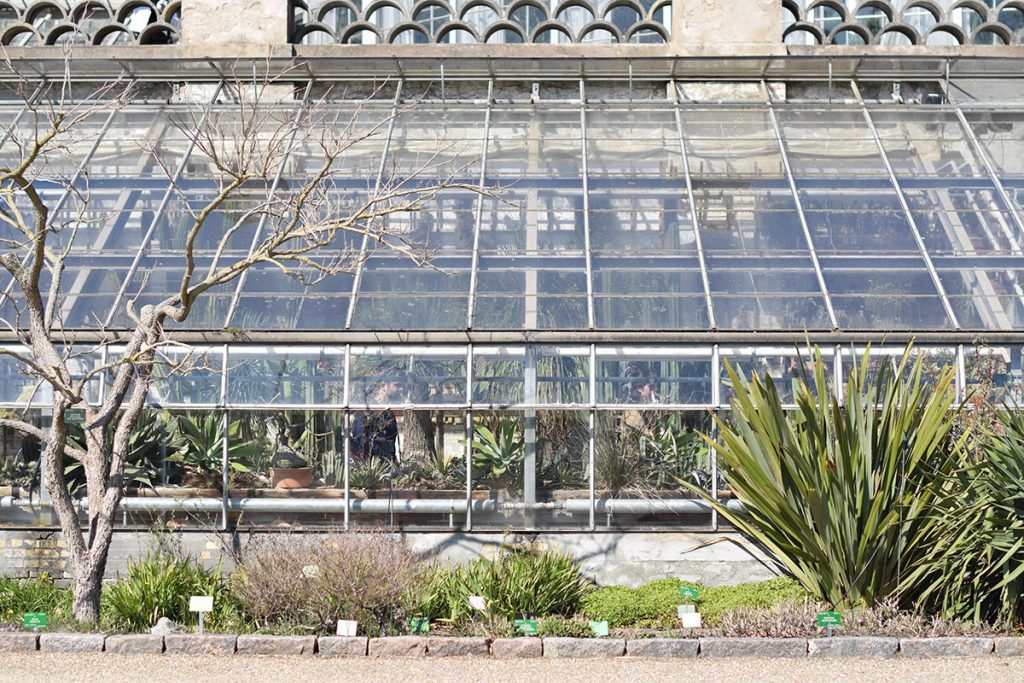
Many visitors rush straight to the Palm House, but the surrounding greenhouses (27 in total) deserve attention too. The Arctic greenhouse, featuring species adapted to polar climates. Historic glasshouses filled with cacti, succulents, orchids, and exotic species from around the world.
☞ In the summer, visit the nearby Butterfly House, where colourful butterflies flutter freely among tropical plants.
Each greenhouse represent unique ecosystems such as arid deserts or arctic tundras. Together, the greenhouse complex includes dozens of interconnected structures that create a fascinating journey. Every visit feels like a miniature world tour without leaving Copenhagen.
HYGGE OUTDOOR AREA
While the Palm House often steals the spotlight, the outdoor gardens are equally enchanting. It is a place where time slows down and nature takes center stage. Locals and visitors alike stroll the winding paths lead through collections of rock gardens inspired by European mountain landscapes or simply sit by the pond (often dotted with ducks and lilies). So pack a blanket, a good book, maybe a picnic or a cold beer and stretch out on the lawns or claim a quiet spot under the trees. Whether you come alone or with friends, the garden is the perfect place to unwind and experience the peaceful, laid-back lifestyle that defines Denmark.
A Breath of Fresh Air in Every Season
It’s the perfect place to unwind with a peaceful stroll, warm up on a chilly winter day in the tropical Palm House, cool off under a tree in summer with a picnic and a good book and explore Denmark’s rich biodiversity and global plant life.
Whether you’re chasing tropical warmth on a winter day, photographing historic architecture, or simply looking for a quiet escape from the city, this green oasis offers one of Copenhagen’s most memorable experiences.
For locals, it’s a beloved green escape. For travelers, it’s one of Copenhagen’s best-kept secrets.
SPRING (April–May)
Arguably the most beautiful season. Magnolias and rhododendrons bloom across the garden, temperatures are comfortable, and the city begins to come alive.
SUMMER (June–August)
The gardens are at their lushest and the outdoor collections are spectacular.
AUTUMN (September–October)
A wonderful choice for photographers thanks to the colourful foliage.
WINTER (November–March)
The outdoor garden is quieter, but the Palm House becomes even more appealing as a tropical escape from Copenhagen’s cold weather. A nice little slice of tropical paradise in the city. Many visitors consider the greenhouses alone worth the visit.
Practical Information
I would say this is a quick stop in Copenhagen but a beautiful one.
☞ Combine your visit with a stop at Rosenborg Castle, the King’s Garden or the Geological Museum. As they’re just across the street from one another and within a 5 minute walk.
Opening Hours
The outdoor Botanical Garden is generally open daily, with seasonal variations.
Park is open daily (all free) all year-round
Summer (1 May – 30 Sept) Every day 8.30am – 6.00pm
Winter (1 Oct – 30 April) Every day 8.30 am – 4.00pm
Always check the official website before visiting, as hours may change throughout the year.
Ticket Prices
Botanical Garden (outdoor areas): Free
Palm House: Adult admission approximately 70 DKK
Children under 18: Reduced admission (around 40 DKK)